The Skinification of Hair
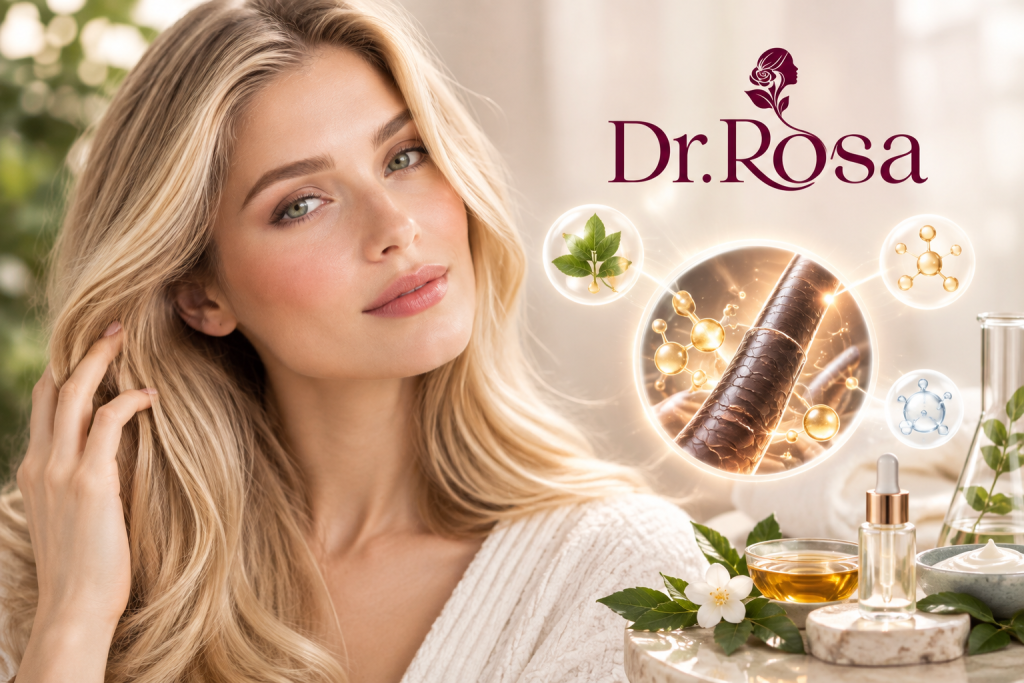
Scalp skinification is reshaping modern hair care by putting scalp health and targeted care at the center.
How Scalp Skinification Is Changing Modern Hair Care
For years, hair care was largely focused on the visible part of the hair. Shine, smoothness, volume, softness, and styling were often the main measures of healthy-looking hair.
Today, that approach is changing.
More attention is being directed toward the scalp, where hair follicles develop and where cleansing, oil balance, moisture, and the condition of the skin can all influence the way people care for their hair.
This shift is often described as scalp skinification — the growing influence of skincare principles on modern scalp and hair care.
Instead of treating the scalp as simply the place where shampoo is applied, consumers are beginning to think about it as skin that deserves targeted, thoughtful care.
What Is Scalp Skinification?
The term scalp skinification refers to applying ideas commonly associated with skincare to scalp and hair care.
The scalp is skin, and it has its own characteristics, including oil-producing glands, hair follicles, a protective barrier, and a microbial environment. This helps explain why modern hair care increasingly focuses on factors such as cleansing, hydration, buildup, sensitivity, and ingredient selection.
The American Academy of Dermatology notes that appropriate scalp care matters and can help keep hair looking healthy.
This does not mean that every skincare ingredient belongs in a shampoo or scalp product. Instead, it reflects a broader change in consumer thinking: understanding the scalp before choosing how to care for it.
Why Scalp Health Is at the Center of the Change
Healthy-looking hair does not depend only on the hair fiber itself.
The scalp provides the environment in which hair follicles function. That is why modern scalp health discussions often consider several factors at the same time:
- Oil and sebum levels
- Dryness and moisture balance
- Product buildup
- Scalp sensitivity
- Cleansing habits
- Hair texture and condition
- Environmental exposure
However, scalp care should not be confused with medical treatment for hair loss. Hair shedding and thinning can have many different causes, and persistent concerns should be evaluated by an appropriate healthcare professional.
For everyday care, the goal is simpler: keep the scalp clean, comfortable, and appropriately cared for.
From Hair Care to Scalp Care
One of the biggest changes in modern hair care is the separation of scalp needs from hair-length needs.
The scalp may need effective cleansing, while the lengths and ends may need conditioning and protection. Someone with an oily scalp may have very different needs from someone with a dry or sensitive scalp.
This is one reason personalized scalp skinification has become increasingly relevant.
Rather than expecting one product to solve every concern, consumers can choose products according to their scalp and hair characteristics.
Ingredients Are Changing the Conversation
Modern consumers are also paying closer attention to the ingredients used in hair and scalp products.
Ingredients such as niacinamide, hyaluronic acid, peptides, botanical extracts, and exfoliating agents are increasingly discussed in connection with scalp care.
The important question is not simply whether an ingredient is popular in skincare. It is whether the ingredient has an appropriate role in a particular hair or scalp formulation.
Niacinamide and Scalp Care
Niacinamide, also known as vitamin B3, is widely used in skincare formulations because of its role in supporting the skin barrier and overall skin condition.
Its presence in scalp-focused formulas reflects the broader influence of skincare on hair care.
However, the effectiveness of a product depends on its complete formulation, intended use, and how it is used — not simply on the presence of one ingredient.
Hyaluronic Acid and Hydration
Hyaluronic acid is well known for its ability to attract and retain water.
In hair and scalp products, hydration-focused ingredients can be useful when dryness is part of the concern. A balanced approach is important because scalp care is not simply about adding more moisture; it is about choosing products that match the individual’s needs.
Peptides and Modern Formulations
Peptides are another category that has moved from skincare conversations into hair care.
Different peptides have different functions, and their role depends on the specific formulation and available evidence. For consumers, this makes it more useful to evaluate the complete product rather than focusing on a single fashionable ingredient.
Exfoliating Ingredients
Ingredients such as salicylic acid can appear in scalp products designed to address buildup or certain scalp concerns.
They should not automatically be considered necessary for everyone. The appropriate approach depends on the scalp condition and the purpose of the product.
Scalp Cleansing: Finding the Right Balance
Cleansing is one of the foundations of scalp health, but more cleansing is not always better.
The right washing frequency can vary according to hair type, scalp oiliness, hair texture, lifestyle, and product use. The American Academy of Dermatology recommends adjusting hair-washing practices according to factors such as hair type and how oily or dirty the hair becomes.
Cleveland Clinic similarly notes that washing frequency depends on factors such as hair type and that washing too often can contribute to dryness and breakage.
The objective is therefore not to strip the scalp of everything. It is to find a practical balance between removing excess oil and buildup while maintaining comfortable, healthy-looking skin.
The Role of Scalp Care in Hair Wellness
The growing interest in scalp care does not mean that every scalp product is a hair-growth treatment.
Hair loss can have genetic, hormonal, nutritional, medical, and other causes. A shampoo or cosmetic scalp product should not be presented as a universal solution for hair loss.
Instead, modern scalp care can be viewed as one part of a broader hair-wellness approach.
Good cleansing, appropriate conditioning, protection from unnecessary damage, and consistent care can all contribute to better everyday hair care.
For readers interested in the relationship between ingredients and hair condition, our article on The Connection Between Protein and Healthy Hair explores another important aspect of healthy-looking hair.
Why Personalized Scalp Care Matters
There is no single scalp-care routine that works equally well for everyone.
An oily scalp may require a different cleansing approach from a dry scalp. Sensitive scalps may benefit from simpler formulations, while people who regularly use styling products may need to pay more attention to buildup.
This is where scalp skinification becomes more than a trend.
It encourages consumers to ask better questions:
- What does my scalp actually need?
- How often should I cleanse?
- Which ingredients are appropriate for my situation?
- Am I caring for my scalp and hair lengths differently?
- Is a product designed for my specific hair and scalp characteristics?
This more personalized approach can make hair care more intentional and informed.
How to Build a Modern Scalp-Focused Routine
A practical scalp-focused routine does not need to be complicated.
Step 1: Understand Your Scalp
Pay attention to oiliness, dryness, sensitivity, flaking, and product buildup.
Step 2: Choose an Appropriate Cleanser
Select a shampoo that matches your scalp and hair characteristics rather than choosing a product based only on marketing claims.
Step 3: Care for the Hair Lengths
Remember that the scalp and hair fiber have different needs. Conditioning is particularly important for keeping the lengths manageable and reducing unnecessary friction.
Step 4: Avoid Unnecessary Overprocessing
Frequent heat styling, aggressive brushing, excessive chemical processing, and other damaging practices can affect the appearance and condition of the hair.
Step 5: Stay Consistent
Hair care is a long-term process. A simple routine that matches your needs is often more practical than constantly changing products.
For more information about everyday scalp care, see our article Understanding Hair Loss and the Search for Better Hair Care Solutions.
Scalp Skinification Is More Than a Trend
The rise of scalp skinification reflects a broader change in how people think about hair care.
The question is gradually moving from:
“How can I make my hair look better?”
to:
“How can I take better care of my scalp and hair over time?”
That does not mean traditional hair care is disappearing. Shine, softness, volume, and styling will always matter.
The difference is that these visible results are increasingly being considered alongside scalp condition, ingredient selection, cleansing habits, and long-term hair care.
Dr. Rosa and the Modern Approach to Hair Care
At Dr. Rosa, this modern perspective supports a more thoughtful approach to specialized hair care.
Different hair types and scalp conditions can require different approaches. That is why modern formulations should focus on appropriate ingredients, purposeful cleansing, conditioning, and consistent care rather than relying on one universal solution.
The future of hair care is not simply about adding more ingredients or creating more complicated routines.
It is about understanding what the scalp and hair actually need.
Final Thoughts
Scalp skinification represents an important shift in modern hair care: the scalp is no longer treated as an afterthought.
From cleansing and hydration to ingredient selection and personalized care, more attention is being given to the foundation of healthy-looking hair.
The most useful approach is not to follow every new trend. It is to understand your scalp, choose products thoughtfully, and build a routine that fits your individual needs.
Because modern hair care starts where the hair begins — at the scalp.
Dr. Rosa started with a focus on advancing hair care; however, with the advancement of science, technology, and innovations in beauty and hair health, Dr. Rosa has expanded its focus to explore all areas of modern hair care, developing quality products and sharing valuable knowledge that supports healthier and more beautiful hair for people around the globe
5700 Yonge St, North York, Ontario, Canada
+1 647-200-4442
info@drrosa.ca
©Copyright 2024 - 2027 by Famplast Inc. All Rights Reserved
Dr. Rosa started with a focus on advancing hair care; however, with the advancement of science, technology, and innovations in beauty and hair health, Dr. Rosa has expanded its focus to explore all areas of modern hair care, developing quality products and sharing valuable knowledge that supports healthier and more beautiful hair for people around the globe
5700 Yonge St, North York, Ontario, Canada
info@drrosa.ca
+1 647-200-4442