Understanding Hair Loss and the Search for Better Hair Care Solutions
Why today’s approach to hair loss is becoming more personal, more informed, and more focused on individual needs.
When Hair Loss Becomes Impossible to Ignore
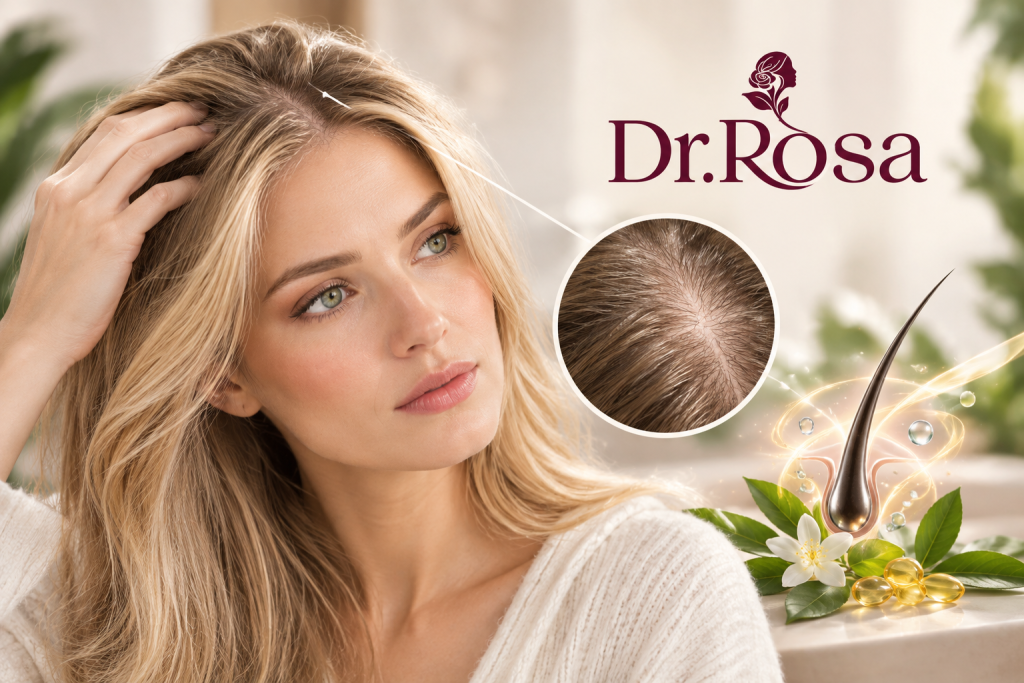
Hair loss rarely begins with a dramatic moment.
For many people, it starts with small changes. A few more strands on the pillow. More hair left in the shower drain. A part that seems slightly wider than before. A photograph that suddenly looks different.
At first, these changes may be easy to dismiss.
Then comes the search.
People turn to their phones looking for answers to questions such as: Why is my hair getting thinner? What can I do about it? Which shampoo should I use? Is there a better way to care for my scalp?
The growing interest in hair loss reflects something important about modern beauty and personal care. People are no longer interested only in how their hair looks. They are increasingly interested in understanding their hair, caring for their scalp, and finding routines that match their individual needs.
This shift is creating a new conversation around hair care—one that places education, personalization, and realistic expectations at the center.
Why People Are Looking for More Than a Shampoo
Hair Loss Is a Personal Experience
Hair loss is not simply about the number of hairs someone sees in a brush.
For many people, changes in hair density or appearance can affect how they feel about their overall appearance. Hair is closely connected to personal style, identity, and self-expression, so even gradual changes can become emotionally significant.
That is why someone searching for a hair loss solution may actually be looking for several things at once:
- A better understanding of what is happening
- A more appropriate hair care routine
- Advice on caring for the scalp
- Products suited to their hair type
- Realistic ways to improve the appearance and condition of their hair
- Confidence in the choices they are making
The modern consumer wants information before making a decision.
The Shift toward Personalized Hair Care
One Routine Does Not Work for Everyone
Hair differs from person to person.
Texture, density, scalp condition, styling habits, coloring, environmental exposure, age, and everyday routines can all influence how hair looks and feels.
This makes the idea of a universal hair care routine increasingly outdated.
Someone with an oily scalp may have completely different needs from someone dealing with dryness. Fine hair may require a different approach from thick or highly textured hair. Chemically treated hair may also benefit from different forms of conditioning and protection.
The better question is no longer simply, “Which shampoo is best?”
It is:
“Which type of care is most appropriate for my hair and scalp?”
Understanding the Difference between Hair and Scalp Care
Healthy-looking hair begins with an appropriate approach to the scalp.
The scalp is the foundation from which hair grows, yet it is often overlooked in everyday routines. Cleansing effectively, avoiding unnecessary product buildup, and selecting products appropriate for the scalp can all be important parts of good hair care.
This is one reason scalp-focused products and routines have become increasingly important in the modern beauty conversation.
What People Really Want to Know About Hair Loss
The Internet Has Changed the First Step
In the past, people might have waited until a salon appointment or a conversation with a doctor before asking questions about changes in their hair.
Today, the first step is often a search engine.
A person notices something different and immediately begins researching.
They may search for:
- Causes of hair thinning
- Hair loss solutions
- Best shampoo for thinning hair
- Scalp care routines
- Ways to improve hair appearance
- Ingredients used in hair care products
- How to choose the right shampoo
This has created a more informed consumer—but also a more confused one.
The internet provides an enormous amount of information, but not all advice is equally useful or appropriate for every individual.
From Product Shopping to Problem Solving
Consumers Want a Reason behind the Product
A bottle on a shelf is no longer enough to create confidence.
People increasingly want to understand why a product has been formulated, what type of hair it is intended for, and how it fits into a broader routine.
This is particularly relevant when discussing hair thinning or concerns about hair loss.
A responsible hair care approach should not promise instant or universal results. Instead, it should help consumers understand their options and choose products based on their specific needs.
That philosophy is particularly relevant to specialized shampoos.
Rather than treating shampoo as a generic cleansing product, specialized hair care considers additional needs such as moisture, scalp comfort, volume, strengthening, color care, or oil control.
The Role of Specialized Shampoo in Modern Hair Care
Targeted Care Starts With the Right Formula
A specialized shampoo is designed with a particular hair or scalp need in mind.
That does not mean a shampoo should be presented as a cure for every hair concern. Hair loss can have many possible causes, and persistent or sudden hair loss may require professional medical evaluation.
However, an appropriate shampoo can still play an important role in an overall hair care routine by providing targeted cleansing and care.
The key is matching the product to the individual.
For example, someone concerned about fine-looking hair may prioritize volume and lightweight conditioning, while another person may focus more heavily on moisture or scalp cleansing.
A More Targeted Approach to Hair Care
Combining Modern Formulation with Everyday Hair Care
Dr. Rosa is built around the idea that hair care should address real, everyday needs rather than rely on a single formula for everyone.
Its approach focuses on specialized shampoos designed around different aspects of hair and scalp care, combining modern formulation approaches with selected botanical ingredients and vitamins.
The goal is to make hair care more purposeful: understand the needs of your hair, choose an appropriate product, and build a consistent routine around it.
This philosophy also reflects a wider movement in beauty toward more informed and personalized product choices.
Care Should Be Consistent, Not Complicated
A sophisticated hair care routine does not necessarily require a bathroom full of products.
In many cases, a thoughtful routine can be relatively simple:
- Choose a shampoo appropriate for your hair and scalp.
- Cleanse without excessive washing or harsh manipulation.
- Use conditioning products according to your hair’s needs.
- Protect the hair when using heat or undergoing frequent styling.
- Pay attention to changes in the scalp and hair over time.
- Seek professional advice when hair loss is sudden, significant, or persistent.
The objective is consistency rather than complexity.
Why Women Deserve More Attention in the Hair Loss Conversation
Hair Thinning Is Not Just a Men’s Concern
Hair loss is often discussed as though it is primarily a male issue.
That view is incomplete.
Women can also experience noticeable changes in hair density and thinning, and these changes may affect styling choices, confidence, and everyday appearance.
For this reason, modern hair care conversations should recognize that men and women may have different experiences, expectations, and concerns.
The language used around hair loss matters, too. People are more likely to engage with helpful information when they feel understood rather than judged.
The Importance of Realistic Expectations
Good Hair Care Is Not About Promises
One of the biggest problems in the hair loss conversation is the number of exaggerated promises consumers encounter online.
No single shampoo can be presented as a universal answer to every type of hair loss.
Hair loss can be associated with a range of factors, and cosmetic hair care products have a different role from medical treatments.
Good communication therefore matters.
A responsible brand should explain what its products are designed to do without creating unrealistic expectations.
For consumers, the same principle applies: look beyond dramatic claims and consider the ingredients, intended use, formulation, and suitability of a product for your particular hair and scalp.
A Better Way to Think About Hair Loss
From Fear to Understanding
The first reaction to hair loss is often worried.
But a better long-term approach is to replace uncertainty with information.
Instead of immediately buying multiple products, start by observing what has changed. Consider your hair type, scalp condition, styling habits, recent changes in your routine, and the overall appearance of your hair.
If the change is sudden, severe, or continues over time, professional medical advice may be appropriate.
For everyday cosmetic care, however, a thoughtful routine can provide a stronger foundation for maintaining healthy-looking hair.
Final Thoughts: Hair Care Is Becoming More Personal
The modern hair care consumer is more informed, more curious, and more interested in personalized solutions.
Hair loss searches are not simply about finding another product. They reflect a desire to understand what is happening and make better decisions about personal care.
That is why the future of hair care is likely to focus less on one-size-fits-all solutions and more on targeted routines, informed product selection, scalp awareness, and realistic expectations.
Dr. Rosa fits naturally within this evolving approach by focusing on specialized hair care and products designed around different hair and scalp needs.
Ultimately, better hair care begins with a simple idea:
Understand your hair. Understand your scalp. Choose care that makes sense for you.
And when hair concerns become more serious or persistent, knowing when to seek professional guidance is just as important as choosing the right product.
Dr. Rosa started with a focus on advancing hair care; however, with the advancement of science, technology, and innovations in beauty and hair health, Dr. Rosa has expanded its focus to explore all areas of modern hair care, developing quality products and sharing valuable knowledge that supports healthier and more beautiful hair for people around the globe
5700 Yonge St, North York, Ontario, Canada
+1 647-200-4442
info@drrosa.ca
©Copyright 2024 - 2027 by Famplast Inc. All Rights Reserved
Dr. Rosa started with a focus on advancing hair care; however, with the advancement of science, technology, and innovations in beauty and hair health, Dr. Rosa has expanded its focus to explore all areas of modern hair care, developing quality products and sharing valuable knowledge that supports healthier and more beautiful hair for people around the globe
5700 Yonge St, North York, Ontario, Canada
info@drrosa.ca
+1 647-200-4442